

Snow Fence Secrets: How DOT, Airports & Ski Resorts Tame Winter
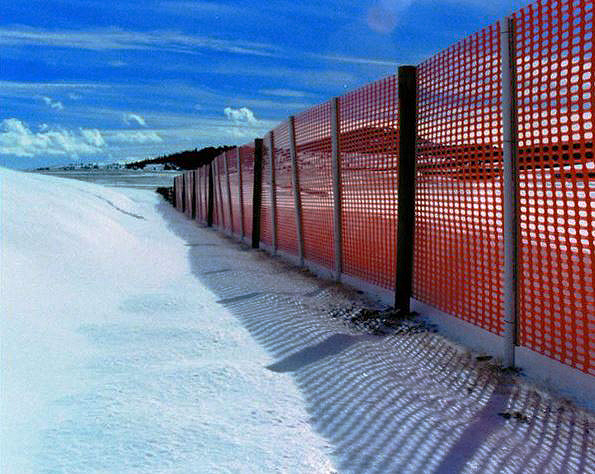
Snowdrifts when uncontrolled can take a heavy toll on property, animals, and people. They are almost impossible to contain with the unpredictable nature of snow and can weigh hundreds or even thousands of pounds, wreaking havoc on just about anything in their path even being deadly in some situations. Heavy-duty, solid walls are highly effective against snow drifts as they do not allow any snow to pass through, are resistant to extreme winds, and are designed specifically for outdoor spaces. However, they aren't very practical as they are very costly, permanent installations that can be catastrophic if they fail. That's where snow fence mesh comes in as a cost-saving, temporary safety tool for controlling and managing snow banks, making them predictable and much more safe.
Where Snow Fence Shines
Snow fencing, as implied by the name, is best used for snow, though of course there is more nuance to it than that. Snow Fencing like the kind that Tenax offers is a temporary and portable solution that is meant to be deployed seasonally and is meant for areas with heavy snowfalls. For warmer climate areas that receive no more than 1-2 inches max, snow fencing is unlikely to be needed, but for colder climate zones that receive several feet of snow each winter, snow fencing can be crucial to keeping people safe as they create more predictable, manageable snow banks that are significantly easier to deal with. The best part is that snow fencing isn't just good for residential areas, it's good for just about anywhere including ski resorts, highways and DOT areas, construction zones, and more!
Snow Fences at a Glance:
- Safety First: improves visibility and reduces winter accidents.
- Major Cost Savings: plowing, salting, and de-icing expenses.
- Operational Efficiency: Keeps critical corridors (roads, runways) open and accessible.
- Environmental Plus: Reduces salt/chemical use and fuel consumption from plow trucks.
- Highways & DOT: Prevents whiteouts and icy roads.
- Airports: Protects runways and taxiways from blowing snow, minimizing costly delays and closures.
- Ski Resorts: Dual-use: protects infrastructure and enhances snow depth on slopes.
- Construction & Property: Shields sites and buildings, also used for dust/debris control.
- Agriculture: Creates snowpack for spring water and protects livestock areas.
Choosing & Using a Snow Fence
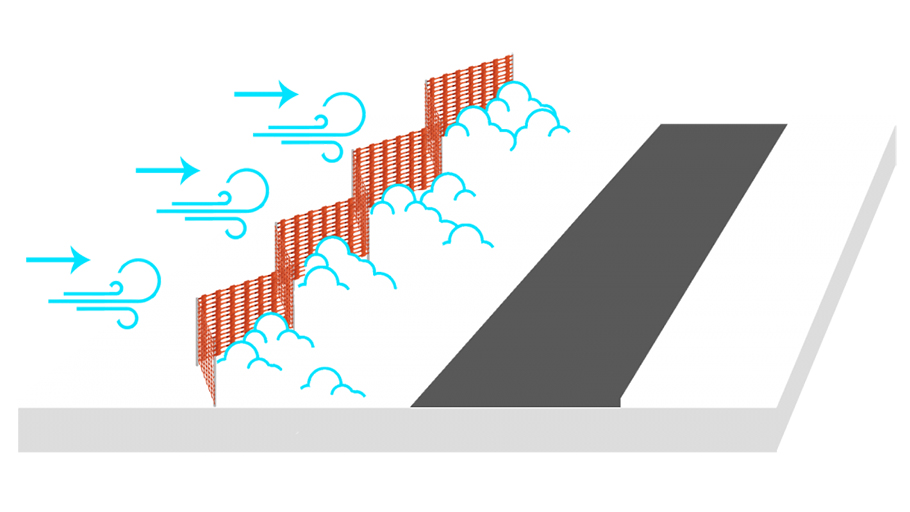
When choosing a snow fence, it's important to choose the right material, placement, and porosity (how open is the fencing; the holes in the fence). When buying Tenax Snow Fence, you can be sure that you're getting highly durable, UV resistant, and high-visibility HDPE plastic that can withstand extreme weather conditions with ease. And when placed properly at an angle that's perpendicular to prevailing winds with a distance of ~35x your fence's height upwind of the area you want to protect, you'll be able to create a solid barrier that's effective against even the most harsh winters.
- Material Pick: HDPE plastic (like Tenax) offers durability, UV resistance, and high visibility.
- Placement is Key: Install perpendicular to prevailing winds, a distance of ~35x fence height upwind of the area you want to protect
- Porosity Matters: Aim for 40-50% open area for optimal drift formation
Contact Us
The ideal choice for keeping your residential or commercial areas safe during harsh winters, temporary snow fences are the ideal, cost-effective solution to controlling snow. A proven choice, snow fencing can be deployed across hundreds of feet with ease, making it perfect for areas such as ski resorts, airports, highways, farms, and even industrial facilities. If you still have questions about Tenax Snow Fence or need assistance in figuring out the right solution for you, feel free to reach out to our expert sales team today! We are happy and ready to assist you with any questions you may have.
Contact Us