

How to Install Deer Fencing
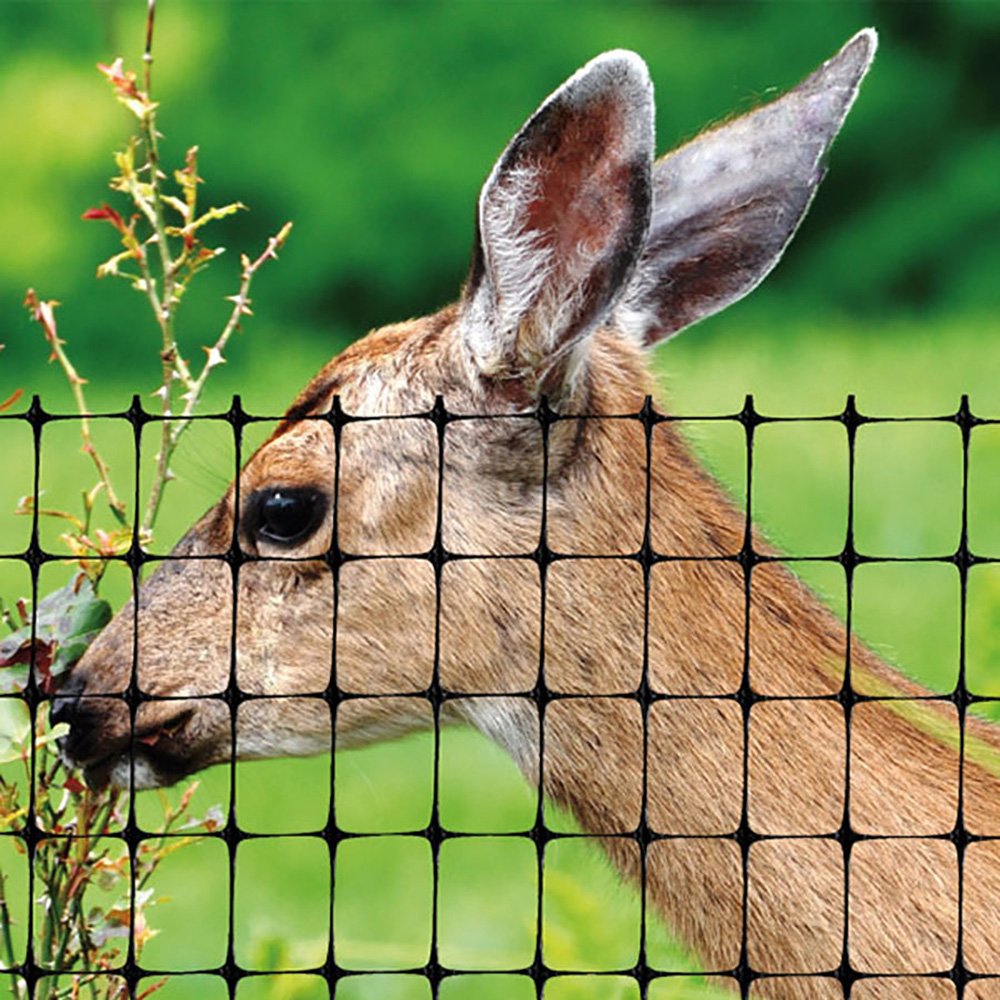
Deer fencing is an effective solution for protecting crops, gardens, and landscapes from deer damage. Whether you manage a farm, ranch, field, or home garden, proper installation ensures long-lasting protection and peace of mind. This guide walks you through the installation process and highlights common applications.
Planning Your Deer Fencing Project
Before you begin any installation, proper planning is essential for success. Taking the time to assess your specific needs, measure accurately, and choose appropriate materials will save you time, money, and frustration later. Consider factors like the size of the area, terrain challenges, local deer pressure, and your budget. A well-thought-out plan ensures your fence will be both effective and durable for years to come.
- Assess the Area: Determine the perimeter you need to enclose. Consider the terrain, vegetation, and any obstacles.
- Height Requirements: Deer can jump high, but a fence height of 7-8 feet is generally sufficient to deter them.
- Choose the Right Netting : Opt for UV-resistant, durable polypropylene netting that blends into the environment. Tenax deer netting is a popular choice for its strength and near-invisibility.
- Gather Materials: You'll need netting, support posts (metal or wood), ground staples or ties, and possibly support wires for added stability.
Gathering Materials
Selecting the right materials is crucial for a fence that performs well and lasts. Quality materials may cost more initially, but will withstand weather, UV exposure, and animal pressure much better than cheaper alternatives. The right combination of netting, posts, and fasteners creates a cohesive system that's easier to install and maintain. Consider purchasing a complete kit if you're new to deer fencing, as these include everything you need in the correct proportions.
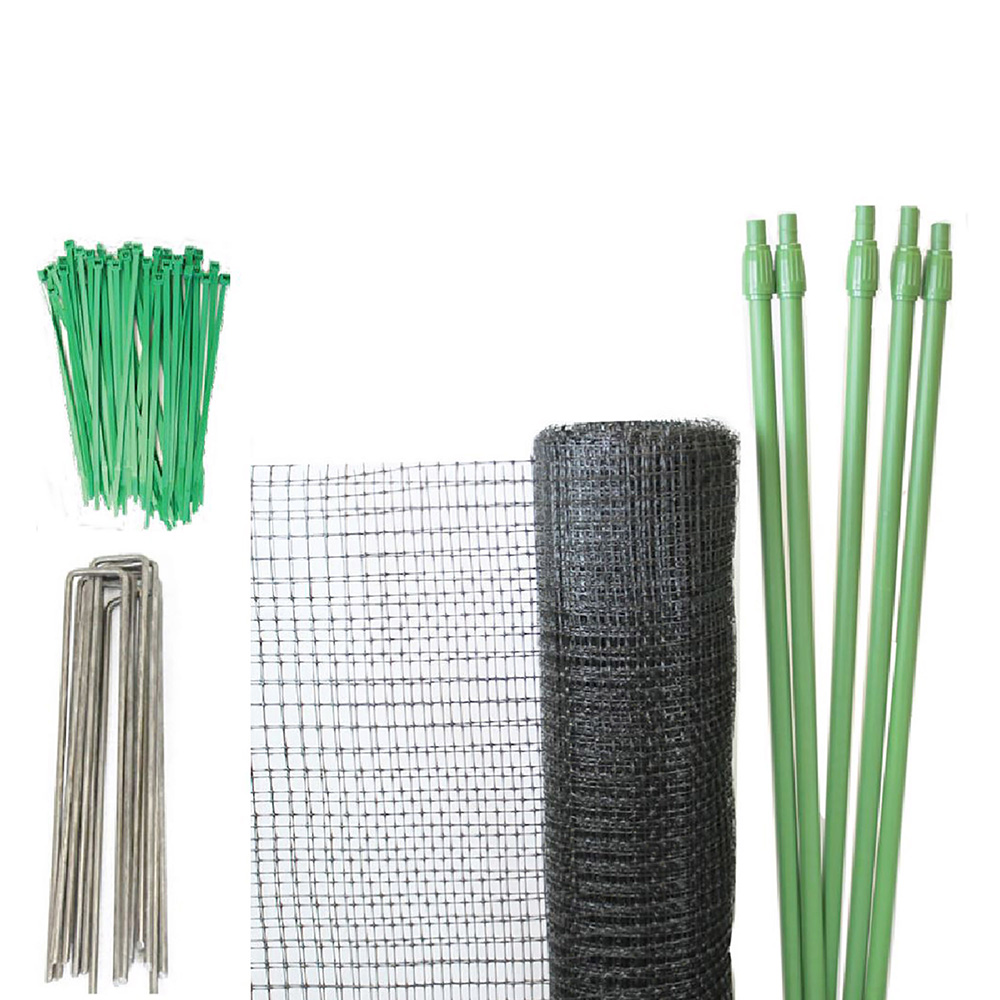
A complete deer fencing kit simplifies the process. For example, the Tenax Deer Net Kit includes:
- 7' x 100' deer netting (folded for easy handling)
- 10 adjustable poles
- 20 sod staples
- 50 small green ties
Step-by-Step Installation
With proper planning and materials on hand, installation becomes a straightforward process. Most deer fencing can be installed by two people in a weekend, even for larger areas. The key is to work systematically, following each step carefully to ensure a taut, secure fence. Remember that deer are strong animals that will test your fence's integrity, so proper tension and secure anchoring are essential for long-term effectiveness.
- Mark the Perimeter: Use stakes and string to outline the area you want to enclose. This serves as your guide for post placement.
- Install Corner and End Posts: Drive sturdy posts (at least 8-10 feet long) into the ground at corners and ends. Bury them at least 2 feet deep for stability, using concrete if needed.
- Set Line Posts: Space line posts every 10-15 feet along the perimeter. Ensure they are evenly spaced and vertical.
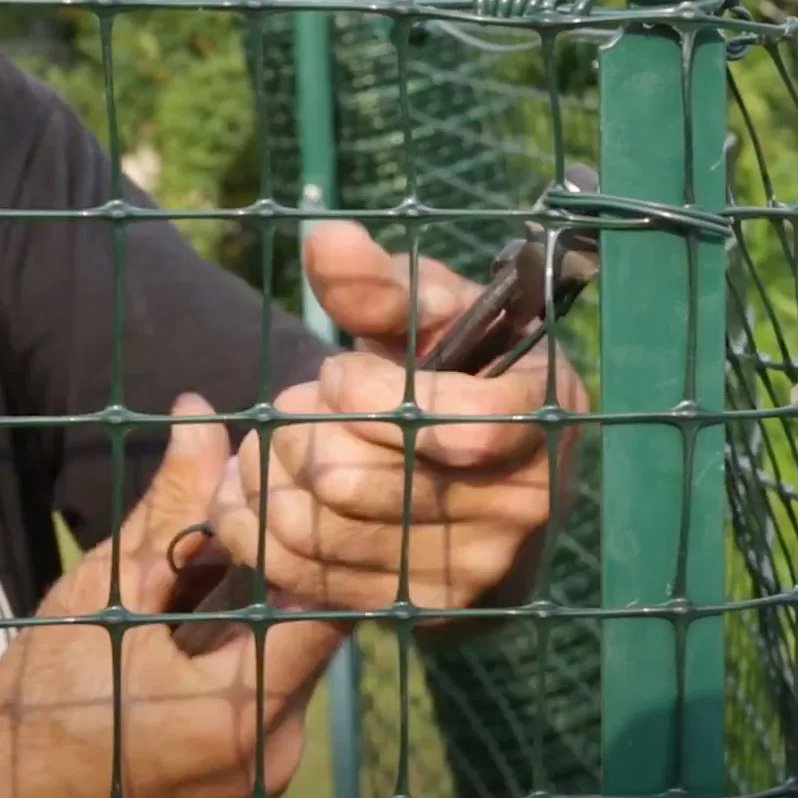
- Attach the Netting: Unroll the netting and secure it to the posts using ties or staples. Start at a corner and work your way around, keeping the netting taut but not overstretched.
- Secure the Bottom: Use ground staples to anchor the bottom edge of the netting to the ground, preventing deer from pushing underneath.
- Add Support Wires (Optional): For longer spans or extra strength, run support wires above the netting and attach them to the posts.
- Install Gates: If access is needed, frame and hang a gate in a convenient location, ensuring it is as tall as the fence and securely latched.
Applications for Deer Fencing
Deer fencing is remarkably versatile and can be adapted to protect a wide variety of environments. In gardens, it shields vegetable patches, flower beds, and ornamental plants from deer browsing. On farms, it encloses crop fields to prevent deer from consuming or trampling valuable produce. Ranchers utilize it around orchards, vineyards, and feed storage areas to safeguard resources year-round. For larger properties, deer fencing secures open fields, particularly in rural and agricultural settings. The nearly invisible quality of modern polypropylene netting makes it an aesthetic choice that provides robust protection without obstructing scenic views, making it suitable for both residential landscapes and expansive agricultural operations.
Why Should You Choose Tenax Fencing?
Tenax has been creating quality fencing since 1960. They were the first to develop extrusion heads, offering increased dimensions from 2 to 20 inches. They are constantly improving their products and manufacturing fencing in Baltimore, MD; Evergreen, AL; and Modesto, CA, but they first began in Italy. Tenax is a Made in USA movement pioneer and attempts to make everything in the United States. Therefore, you can expect high-quality products for a fraction of competitors' prices.