

How Tall Should A Deer Fence Be?
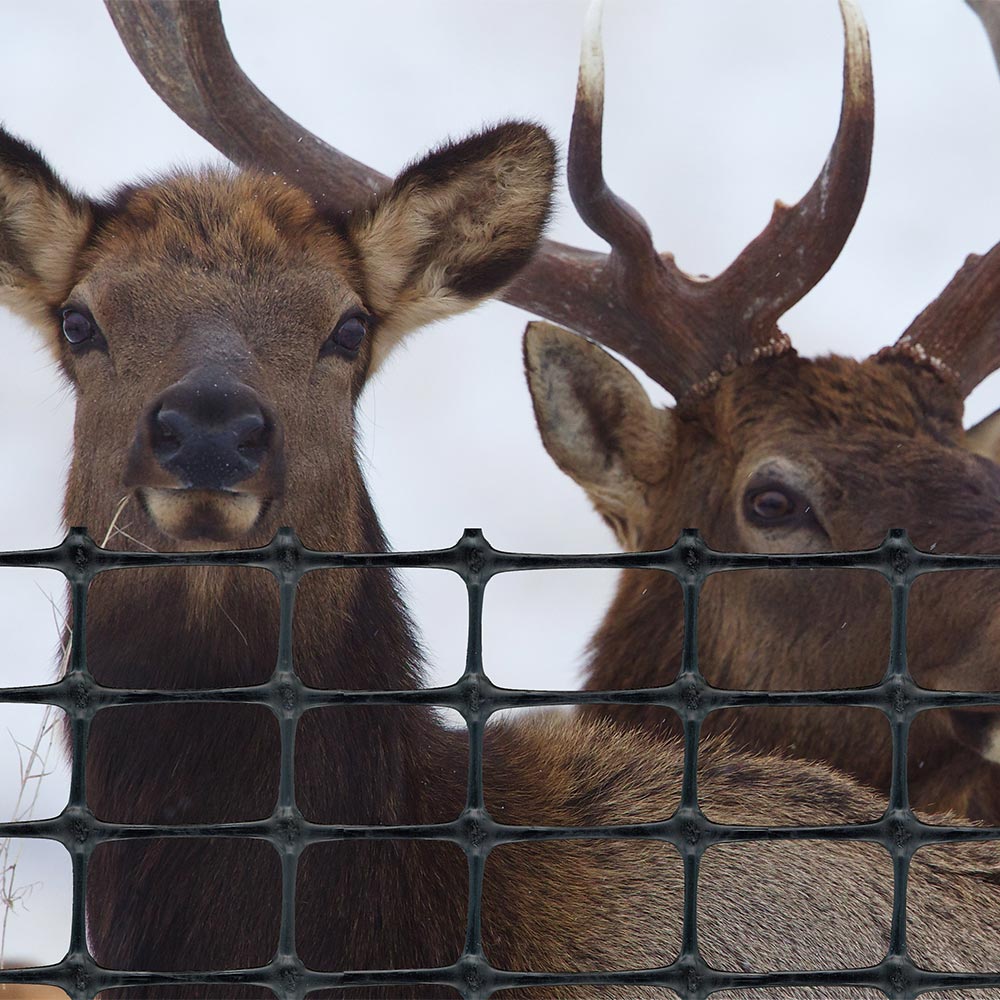
Even though deer can jump high, you may be surprised that you do not need as high a fence to provide a great deer deterrent. Deer fences should be 7-8 feet tall to effectively deter deer. While deer are capable jumpers, they have poor depth perception, which makes a properly designed fence an excellent deterrent even at these heights. Deers are far superior at detecting movement, so they can find things quickly when they are moving. Therefore, when deterring a deer with a fence, you need something stable made from durable materials. A height of 7.5 to 8 feet is generally sufficient to prevent deer from jumping over, while taking advantage of their visual limitations.
What Is The Material Of The Best Deer Fence?
The best deer fence is created from polypropylene polymers and can be used in any season thanks to its weather-resistant abilities. A popular version of this fence can reach up to 7.5 feet high, so even if a deer attempts to jump over it, the fence will still securely keep them away from your flowers or vegetables. Since this material is UV-stabilized, it offers a color that resists fading. Most deer fences are black, so they will not look out of place in a forested area.
Can Deer Fence Be Moved Easily?
Deer fences can be moved easily thanks to the lightweight material. It can be reused each growing season, so you will not need to spend money every year. Plus, these fences never need excess maintenance, so you can rest assured that your deer fence will not cause you additional work.
What If You Need Help With What Style Deer Fence Is Right For Your Home?
If you need clarification about the correct deer fence for your purpose, you can request a sample. Samples are available for every fence style, so you can rest assured you'll find the right type before ordering. If you are looking for a more heavy-duty option to control elk, there is an elk control fence that will keep your plants safe from larger animals.
Applications For Deer Fencing
Deer fencing serves multiple purposes across various settings, providing essential protection for landscapes, agriculture, and property. As deer populations continue to grow in both rural and suburban areas, the need for effective exclusion methods has become increasingly important. Modern deer fencing offers versatile solutions that can be customized to specific needs, whether you're protecting a small garden or managing large agricultural operations.
- Garden Protection: Safeguards vegetables, flowers, and ornamental plants from deer browsing
- Agricultural Use: Protects orchards, vineyards, and crop fields from wildlife damage
- Residential Landscapes: Preserves landscaping investments and prevents deer from entering yards
- Seasonal Barriers: Provides temporary protection during peak growing seasons
- Wildlife Management: Creates controlled areas to manage deer movement and feeding patterns